For Appointment  Call Us
Call Us









Buy Ventolin Inhaler Online – Affordable Prices
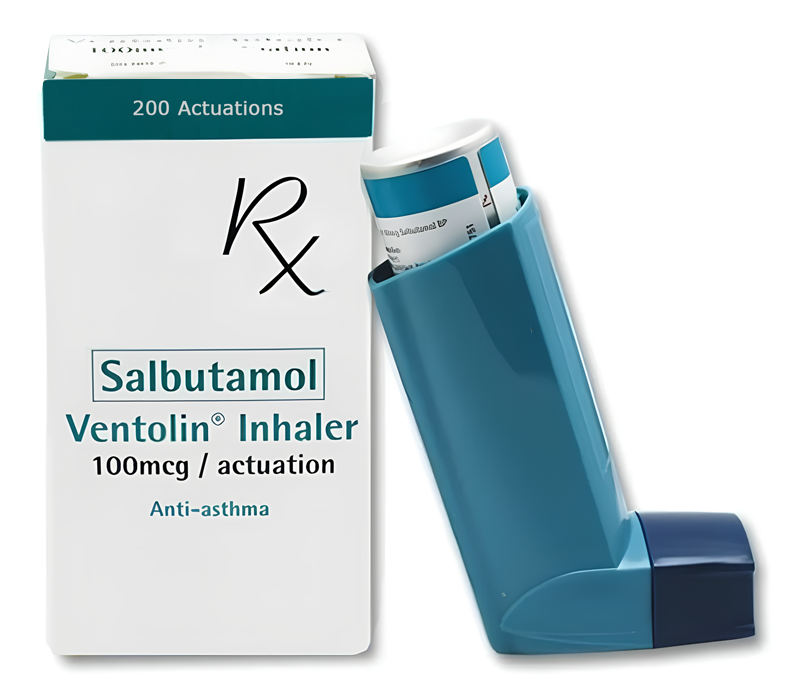
| Product Name: | Ventolin Inhaler (Albuterol / Salbutamol) |
|---|---|
| Dosage: | 100 mcg |
| Best Price: | $20.99 |
| Where To Buy Online | Online Pharmacy |
Contents:
- What You Need to Know About Ventolin Inhalers?
- How Does Ventolin Work?
- Where Can I Buy Ventolin Inhalers Online?
- Who Can Use Ventolin?
- How To Use Ventolin Inhalers?
- Ventolin Side Effects and Cautions
- acute episodes of shortness of breath;
- chest tightness;
- wheezing and difficulty breathing;
- prevention of bronchospasm triggered by physical exertion or allergens.
- daily management of mild asthma symptoms on an as-needed basis;
- emergency relief during asthma and COPD exacerbations;
- prevention before physical activity or exposure to known bronchospasm triggers;
- treatment of respiratory disease exacerbations in children and adults accompanied by airway spasm.
- Ventolin Evohaler®: the classic metered-dose inhaler containing 100 mcg of salbutamol per puff. It is designed for standard use by adults and children over 4 years of age. The device is compact and easily fits into a pocket or bag.
- Ventolin Accuhaler®: a dry powder inhaler intended for patients who have difficulty coordinating inhalation with dose activation. The device is breath-activated, making it easier to use, especially for elderly patients and children.
- Ventolin Nebules®: a salbutamol solution for nebulizer therapy. It is used during severe exacerbations requiring a high dose of medication in a short time. Suitable for inpatient treatment or home use with a nebulizer device.
- Generic Salbutamol Inhalers: generic versions of Ventolin containing the same active ingredient but marketed under different brand names. These inhalers are usually more affordable while offering comparable efficacy and safety.
- reduces the release of inflammatory mediators (histamine, prostaglandins, leukotrienes) from mast cells;
- decreases capillary permeability in the lungs, reducing mucosal edema;
- improves mucociliary clearance, promoting the removal of mucus;
- suppresses reflex bronchospasm induced by cold air or allergens.
- acute asthma attacks;
- sudden deterioration in COPD;
- exercise-induced bronchospasm;
- allergic reactions affecting the airways.
- Proper inhalation technique. An insufficiently deep breath or poor coordination during inhaler activation can delay the onset of action.
- Severity of the condition. In severe bronchospasm, it may take longer for the medication to reach the deeper airways.
- Use of a spacer device. When used with a spacer, the onset of action may be slightly delayed, although overall delivery efficiency improves, especially in children and elderly patients.
- the legal requirements of the specific country regarding the sale of prescription medications;
- whether the pharmacy holds a valid license to sell products containing salbutamol;
- the availability of original or licensed generic versions of Ventolin.
- a wide selection of available forms (Evohaler, Accuhaler, Nebules);
- the ability to compare prices between different brands and generics;
- home delivery without the need to visit a physical pharmacy;
- discounts available for bulk purchases;
- the option to subscribe for regular deliveries of the medication.
- possession of a license and registration documents authorizing the sale of prescription drugs;
- transparent information about medication sources and manufacturers;
- use of secure payment systems;
- availability of pharmacist consultation;
- positive customer reviews and ratings on independent platforms.
- Children over 2 years of age. Inhalation with Ventolin is permissible in aerosol form via a spacer or as a nebulizer solution. For children under 4 years, the use of spacers with a mask is recommended to facilitate inhalation.
- Adolescents and adults. Ventolin is widely used to treat bronchial asthma, COPD, acute bronchitis, and allergic bronchospasm. With proper training in inhalation techniques, the medication provides rapid and effective symptom relief.
- Elderly patients. Ventolin can be used with monitoring of heart rate and blood pressure, especially in the presence of cardiovascular comorbidities.
- Patients with exercise-induced asthma. Inhalation of Ventolin is recommended 10–15 minutes before anticipated physical activity to prevent bronchospasm.
- Patients with allergic reactions to pollen, animal dander, dust, and other triggers. Ventolin helps prevent severe bronchospasm when exposed to allergens.
- in young children, dosage and inhalation technique must be carefully selected by a physician;
- in patients with severe COPD, Ventolin is used as part of combination therapy with glucocorticosteroids and muscarinic receptor antagonists;
- in individuals with cardiovascular diseases, Ventolin should be used cautiously, with possible dosage adjustments if necessary.
- Remove the cap from the mouthpiece and ensure it is clean and dry.
- Shake the inhaler thoroughly in a vertical position to evenly distribute the medication inside the canister.
- Exhale completely to clear the airways before inhalation.
- Place the mouthpiece firmly between your lips, avoiding blockage with teeth or tongue.
- Start a slow, deep inhalation and simultaneously press down on the canister to release a dose of medication.
- Continue inhaling slowly and deeply until the lungs are fully expanded.
- Hold your breath for about 10 seconds or as long as comfortably possible to allow the medicine to settle in the bronchi.
- Remove the inhaler from your mouth and exhale slowly through your nose or lips.
- If a second inhalation is required, wait 30 seconds and repeat the process from the beginning.
- After completing the procedure, rinse your mouth with water and spit it out to help prevent oral candidiasis with long-term beta-2 agonist use.
- regularly clean the mouthpiece with warm water at least once a week;
- ensure the device is completely dry before use after cleaning;
- check the canister for any damage or leakage;
- monitor the expiration date and the number of doses remaining if the device has a counter.
- improves delivery of the active substance to the lower airways;
- reduces the risk of oral side effects such as hoarseness and mucosal irritation;
- simplifies inhalation technique, especially in young children;
- increases the amount of medication reaching the lungs during slow and steady inhalation;
- allows Ventolin use during emergency situations when inhalation effort is weak or impaired.
- children under 5–6 years (using a special mask attached to the spacer);
- elderly patients with impaired hand motor skills or coordination;
- patients with severe COPD or asthma requiring rapid and complete medication delivery to the lungs;
- individuals experiencing difficulty with proper inhalation without assistive devices.
- Preparation: Remove the cap from the mouthpiece and attach the inhaler firmly to the spacer. Ensure a tight, secure connection to prevent leakage.
- Exhalation and dose activation: Perform a slow, deep exhalation to empty the lungs. Then place the spacer in your mouth, seal your lips around the mouthpiece, and press the inhaler to release the dose. Hold the spacer steady during activation.
- Deep inhalation: Slowly and deeply inhale through the spacer, allowing the aerosol to accumulate and then enter the airways evenly. Thorough inhalation is especially important for children and elderly patients who may struggle with inhalation technique.
- Breath holding: After inhaling fully, hold your breath for 8–10 seconds. This pause allows microscopic drug particles to settle within the bronchial tree.
- Exhalation and repetition: Slowly exhale through your nose or mouth. Repeat the process if another inhalation is prescribed, maintaining a 30–60 second interval between doses for optimal absorption.
- rinse the spacer with warm water after each use to remove residual medication and prevent microbial contamination;
- sanitize the device weekly according to manufacturer instructions, using mild, non-aggressive cleaning agents;
- store the spacer in a clean, dry place away from direct sunlight and extreme temperatures;
- check the integrity and seal between the inhaler and the spacer before each use;
- seek pharmacist assistance if difficulties arise or if the device does not function correctly.
- palpitations or rapid pulse, often accompanied by mild anxiety;
- tremors, especially in the extremities, due to sympathetic nervous system stimulation;
- headache caused by changes in blood circulation;
- mild hypoxia, perceived as transient malaise;
- dry mouth or mild throat irritation caused by aerosol exposure;
- unexplained skin redness or mild rash as a reaction to the medication.
- pronounced cardiovascular disturbances such as severe tachycardia or arrhythmias;
- severe allergic reactions with significant swelling, breathing difficulties, and skin rashes;
- severe central nervous system stimulation, manifesting as insomnia, severe anxiety, or dizziness;
- acute changes in blood pressure, leading to symptoms of hypotension or hypertension;
- unusual mucosal reactions, including pronounced throat irritation and swelling.
What You Need to Know About Ventolin Inhalers?
Ventolin inhalers are fast-acting medications used to relieve symptoms of bronchial asthma, chronic obstructive pulmonary disease (COPD), and other conditions associated with bronchospasm. The active ingredient in Ventolin is salbutamol, a short-acting beta-2 adrenergic agonist that provides rapid bronchial dilation and easier breathing.
Ventolin inhalers are available as metered-dose aerosols designed to deliver the medication directly into the airways. This ensures a rapid clinical effect with minimal systemic load on the body. The standard device is a compact canister with a mouthpiece that releases a pre-measured dose of aerosol when pressed.
Ventolin belongs to the category of "rescue inhalers," used for:
The mechanism of action of Ventolin is based on the stimulation of beta-2 adrenergic receptors in the smooth muscle of the bronchi. This leads to muscle relaxation, widening of the airways, and improved airflow. The effect occurs within minutes after inhalation and typically lasts 4–6 hours.
Ventolin inhalers are widely used for:
Ventolin offers a high safety profile when recommended doses and frequency of use are observed. However, incorrect or excessive use of the medication can reduce its effectiveness and increase the risk of side effects, making it crucial for patients to strictly follow prescribed usage guidelines.
What Ventolin inhalers are available from online pharmacy?
Several types of Ventolin inhalers are available through online pharmacies, allowing patients to choose the most suitable form for their needs. The main options include:
The choice among various Ventolin forms depends on the patient’s age, level of disease control, application preferences, and ability to perform correct inhalation technique. Dry powder inhalers or the use of a spacer device are often recommended for children and elderly patients to improve drug delivery into the airways.
Each type of Ventolin inhaler available in pharmacies comes with complete usage instructions and dosing recommendations, ensuring maximum safety and effectiveness during treatment.
How Does Ventolin Work?
Ventolin contains the active substance salbutamol, a selective beta-2 adrenergic receptor agonist. Its primary action involves the rapid relaxation of the smooth muscles of the bronchi, leading to airway dilation and normalization of airflow. This enables the prompt relief of bronchospasm, alleviating shortness of breath and improving breathing within minutes after inhalation.
After inhaling Ventolin aerosol or powder, salbutamol molecules quickly bind to receptors located on the surface of the bronchial smooth muscle cells. The activation of these receptors initiates a cascade of intracellular reactions, ultimately leading to a decrease in intracellular calcium levels. The reduction in calcium concentration causes the muscle fibers to relax, resulting in the widening of the bronchial lumen.
In addition to its primary bronchodilatory action, Ventolin provides several additional benefits:
Ventolin acts predominantly on beta-2 receptors, with minimal effect on beta-1 receptors of the heart. However, at high doses or with frequent use, partial stimulation of the cardiovascular system may occur, manifested by tachycardia or palpitations.
Ventolin is highly effective in treating both asthma and chronic obstructive pulmonary disease (COPD), making it a versatile tool for managing respiratory insufficiency symptoms. It is also used preventively before physical exertion or exposure to known bronchospasm triggers such as pollen, cold air, or chemical agents.
When used properly, Ventolin helps control acute bronchospasm symptoms, improving patients' quality of life and preventing the development of severe breathing attacks.
How long does Ventolin take to work?
Ventolin is known for having one of the fastest onset times among medications used to treat bronchospasm. With correct inhalation, symptom relief typically begins within 1–5 minutes after inhaling a dose. Peak action occurs within 15–30 minutes, and the effect can last for 4–6 hours, depending on the patient’s individual characteristics and the severity of the condition.
The rapid onset of action makes Ventolin an essential first-line treatment for:
Factors influencing the speed of Ventolin’s action include:
For maximum effectiveness, it is recommended to use Ventolin at the first signs of breathing difficulty rather than waiting for a full-blown attack. Early intervention allows for quicker symptom control and reduces the risk of severe complications.
Patients should remember that Ventolin is intended for symptom relief and not as maintenance therapy. Frequent need for the inhaler (more than 2–3 times per week) indicates insufficient disease control, and medical consultation is necessary to adjust the underlying treatment plan.
Where Can I Buy Ventolin Inhalers Online?
Purchasing Ventolin inhalers online has become one of the most convenient and safe ways to secure necessary treatment for controlling asthma symptoms and other respiratory conditions. However, due to the importance of medication quality and potential risks, choosing an online pharmacy must be approached with great care.
The availability of Ventolin in online pharmacies depends on several factors:
On legitimate platforms, purchasing Ventolin usually requires a valid prescription, particularly in countries with strict pharmaceutical regulations. Some international pharmacies offer online doctor consultations to facilitate obtaining a prescription, simplifying the process for patients.
Advantages of buying Ventolin online include:
Key features to look for when selecting a reliable online pharmacy:
The risks of purchasing Ventolin from unverified websites include the possibility of receiving counterfeit products with low efficacy or incorrect dosing, which could worsen the condition or cause complications. It is also advisable to avoid platforms offering Ventolin without a prescription, as such sales often lack guarantees of quality and safety.
By choosing the right online pharmacy, patients can obtain original or certified generic Ventolin that meets safety and efficacy standards, along with convenient delivery and comprehensive informational support.
Who Can Use Ventolin?
Ventolin is prescribed to patients of various age groups who suffer from conditions associated with bronchospasm. It is intended both for treating developed episodes of breathlessness and for preventing bronchospasm in response to physical exertion or allergen exposure. Age restrictions and indications depend on the form of the drug and the clinical situation.
Ventolin is suitable for:
Special considerations for Ventolin use across different groups:
Ventolin should not be used without proper indications or as a maintenance medication for daily asthma control — for such purposes, long-acting anti-inflammatory drugs are employed. Ventolin is intended specifically for symptom relief and short-term bronchospasm prevention.
Before starting Ventolin, patients must review the instructions and consult a physician for recommendations regarding dosage, frequency of use, and proper inhalation technique. This is especially important for children and elderly patients, where inhalation coordination may be challenging.
How To Use Ventolin Inhalers?
The correct technique for using Ventolin inhalers directly affects the effectiveness of active substance delivery to the lungs and the speed of clinical improvement. Mistakes in usage can significantly reduce treatment efficacy, result in insufficient delivery of medication to the airways, and necessitate dose increases, raising the risk of side effects.
Steps for proper use of the standard Ventolin Evohaler metered-dose inhaler:
Recommendations for maintaining the inhaler’s functionality:
Inhalation technique should become automatic, especially for patients using Ventolin for emergency symptom relief. For those with difficulty coordinating inhalation and device activation, the use of spacers is recommended to facilitate drug delivery into the lungs.
Can I Use Ventolin Inhalers with a Spacer?
Using a Ventolin inhaler with a spacer is a common practice, particularly among children, elderly patients, and anyone who has difficulty coordinating inhalation and device activation. A spacer is a plastic chamber into which the dose is released before inhalation. This eliminates the need for precise synchronization, enhances delivery to the lungs, and reduces medication deposition in the mouth and throat.
Benefits of using Ventolin with a spacer:
Who particularly benefits from using a spacer:
For effective use, it is important to choose spacers compatible with Evohaler or similar devices. When necessary, a spacer can be fitted with a special pediatric mask for better facial fit and prevention of aerosol leakage.
How to Use Ventolin with a Spacer (Aerochamber or Volumatic)
Using a Ventolin inhaler with a spacer such as Aerochamber or Volumatic is an effective method to deliver salbutamol directly to the lungs while maximizing the preservation of the active ingredient. This device ensures more even aerosol distribution, prevents medication loss, and improves deposition within the bronchial tree.
The procedure begins with preparation of the inhaler. Before use, ensure the mouthpiece is clean and free of contaminants. Shake the device several times to evenly distribute the aerosol inside the canister. If the spacer is detachable, separate it from the inhaler before preparation.
The application process includes the following steps:
Additional recommendations for effective spacer use:
Proper use of a spacer significantly enhances deposition of the active ingredient in the lower airways and reduces the likelihood of oral side effects. This method has shown high effectiveness in treating acute bronchospasm attacks in children, elderly patients, and those with impaired coordination. Thorough execution of each step guarantees optimal medication distribution, which is crucial for achieving the desired therapeutic effect.
Ventolin Side Effects and Cautions
Monitoring the use of Ventolin involves careful observation for possible adverse reactions associated with salbutamol administration. This section provides detailed information on when dose adjustments may be needed, along with recommendations to minimize risks and prevent complications. The information serves as a reference for patients using Ventolin for chronic pulmonary conditions.
Allergies
Allergy to inhaler components is a key situation requiring special attention. Allergic reactions may manifest as skin rash, itching, swelling, difficulty breathing, or anaphylactic shock. Before starting Ventolin therapy, it is important to review the medication’s ingredients to ensure there are no allergens that may cause hypersensitivity. Some patients may react to preservatives or solvents contained in the aerosol or powder inhaler formulation.
If allergic symptoms occur, patients should discontinue use immediately and seek medical advice. Documenting any history of allergic reactions to medications helps the physician select an alternative treatment. It is also important to report any previous allergies to beta-2 agonist drugs.
Cautions
Cautions when using Ventolin include strict adherence to prescribed dosage, monitoring frequency of use, and observing changes in health status. Some patients may experience increased cardiovascular sensitivity, manifesting as rapid heart rate or blood pressure fluctuations. Patients with underlying conditions such as ischemic heart disease or arrhythmias should use Ventolin under specialist supervision.
It is important to note that excessive or incorrect use of Ventolin can lead to reduced effectiveness during critical situations. Frequent use or repeated exacerbations require consultation with a physician to assess the need for adjusting baseline asthma or respiratory disease therapy. Following recommended intervals between inhalations helps maintain optimal therapeutic effect and reduces the risk of tolerance development.
Pregnancy and Breastfeeding
The use of Ventolin during pregnancy and breastfeeding requires special caution. Although salbutamol is widely used to manage bronchospasm attacks, its effects on the fetus and newborn remain subjects of clinical research. Pregnant patients are advised to use the minimum effective dose, strictly adhering to indications. Specialists recommend evaluating the benefit-to-risk ratio for both mother and child.
Breastfeeding women should be aware that salbutamol passes into breast milk, potentially affecting the newborn. If the infant shows signs such as changes in sleep patterns, irritability, or decreased appetite, medical consultation is necessary to adjust therapy or explore alternative treatments. Collaboration with a healthcare provider ensures safe management while maintaining control over respiratory symptoms.
Side Effects
Ventolin side effects may occur if dosing is violated or if the medication is used too frequently. This section provides a systematic overview of adverse reactions, which can range from mild to more pronounced forms. Salbutamol’s effects on the sympathetic nervous system can lead to various responses. Patients who adhere to prescribed dosing rarely experience serious complications, though minor side effects may affect the cardiovascular, gastrointestinal, or central nervous systems.
Common Ventolin Side Effects
The following symptoms are among the common side effects associated with Ventolin use:
Such reactions usually resolve on their own or diminish after dose adjustment. To manage these effects, it is recommended to adhere to the prescribed inhalation schedule and consult a healthcare provider if symptoms worsen.
Uncommon Ventolin Side Effects
In rare cases, Ventolin use may be associated with the following adverse effects that require immediate medical attention:
If such symptoms occur, patients should immediately discontinue the medication and seek specialist advice. Monitoring and adjusting therapy under medical supervision greatly reduces the risk of serious complications.
FAQ
Can I use Ventolin if I am pregnant or breastfeeding?
Ventolin may be used during pregnancy and breastfeeding if the potential benefits outweigh the risks. Always consult your doctor before use, as they will evaluate your condition and prescribe the lowest effective dose to minimize exposure.
Will Ventolin affect my ability to drive or operate machinery?
Ventolin typically does not impair the ability to drive or use machines. However, some individuals may experience side effects such as dizziness, shakiness, or headaches. If any of these occur, avoid driving or operating machinery until symptoms resolve.
Can I get Ventolin without a prescription?
In most countries, including the United States and the EU, Ventolin requires a prescription. Some regions may allow over-the-counter purchases under strict pharmacy control. Buying Ventolin online without a prescription is considered risky and may be illegal.
How do I know if the Ventolin I purchased is authentic?
To confirm authenticity, check the packaging for a lot number, expiration date, and manufacturer logo. Ventolin inhalers should come sealed and include detailed instructions. Avoid products from unverified online sources and consult a pharmacist if in doubt.
How long does a Ventolin inhaler last?
Each Ventolin inhaler typically contains 200 doses. Its duration depends on the prescribed usage frequency. For example, using two puffs four times a day will exhaust the inhaler in about 25 days. Always track your dose count and have a replacement ready.
Can I take Ventolin alongside other inhalers?
Ventolin can be used with other inhalers, such as corticosteroids or long-acting bronchodilators. However, proper spacing and order of administration are essential. Follow your doctor’s instructions on how and when to use each inhaler.
What is the difference between Ventolin and salbutamol?
Ventolin is a brand name for the active ingredient salbutamol (also known as albuterol in the U.S.). Both are identical in function and formulation, but Ventolin is a specific branded product, while salbutamol can refer to generic versions.
What does the Ventolin inhaler contain?
Each Ventolin inhaler contains salbutamol sulfate, equivalent to 100 micrograms of salbutamol per actuation. It may also contain propellants and inactive ingredients necessary for aerosol delivery. The inhaler does not contain steroids.
Is Ventolin a treatment for spring allergies?
No, Ventolin (salbutamol) is not a treatment for spring allergies themselves. It is a fast-acting bronchodilator used to relieve bronchospasm, which can occur as a complication of allergic asthma. While it may help ease breathing during allergy-induced asthma attacks, it does not prevent or treat the underlying allergic reactions such as nasal congestion, sneezing, itchy eyes, or runny nose. For managing spring allergies, antihistamines, nasal corticosteroids, and other anti-allergic medications are recommended. Ventolin is only useful if respiratory symptoms like wheezing or shortness of breath are present.
^ Back to Top